

Last Updated on October 14, 2024 by Bilingual Kidspot
Raising bilingual teenagers and older kids presents unique challenges, especially when one language dominates due to the surrounding environment. In families like ours where one language is spoken more frequently, maintaining fluency in the minority language requires intentional effort.
Here you can find practical tips for encouraging bilingualism in teenagers, based on strategies that can help keep both languages alive and thriving, even as children grow older.
Raising Bilingual Teenagers and Older Kids
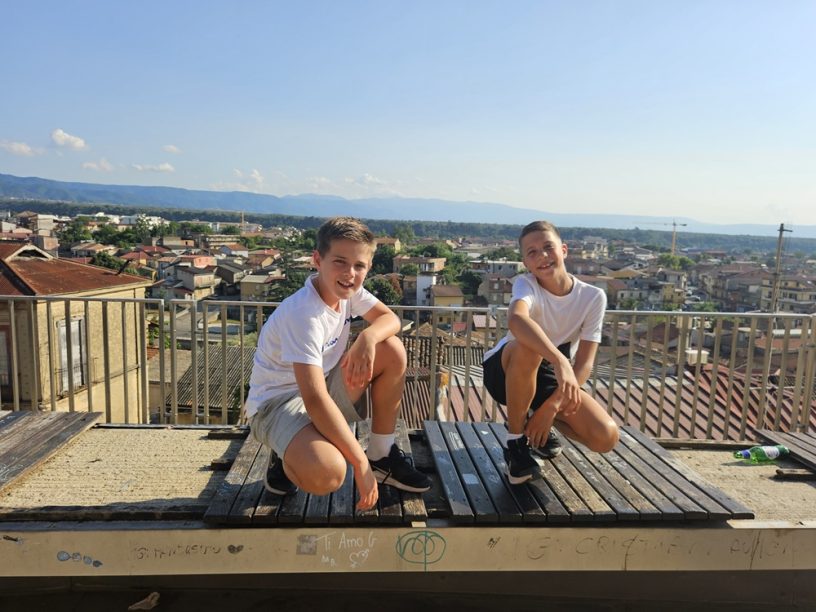
Raising bilingual kids is such a challenging but rewarding experience at the same time. We have had so many ups and downs over the years with our language experiences. Thankfully as our children have grown older we have been able to maintain the balance and our kids who are now 10 and 12 years old are fluent in two languages, English and Italian.
For us, living in and English speaking country, naturally the English language takes the lead. However we’ve made a conscious effort to ensure our kids continue speaking Italian fluently, even as they grow older.
Here are some tips from our experience, raising our older bilingual kids (who are almost teenagers eek!) with two languages speaking both English and Italian.
1. Create Consistent Exposure to the Minority Language
At home, one of the most important things we do is keep Italian present every day. My husband, their father, speaks only Italian with them, which ensures they get regular exposure.
It’s easy for older kids and teens to switch to English, but keeping consistent with the “one parent, one language” rule helps maintain their Italian skills.
For families who don’t follow OPOL, consistency is key in whichever strategy you have used along the way. If you speak the minority language at home, keep it that way, don’t encourage the kids if they switch to the community language, or that which they speak with their friends.
2. Encourage Cultural Connections
Language is not just about words but about culture, too. As kids get older cultural connections become even more important.
We keep the culture alive in our home, whether it’s through food, music, or traditions. We celebrate Italian holidays, cook Italian meals, and make sure the kids are exposed to Italian media. Watching Italian TV shows or movies, and even following Italian YouTubers, keeps the language relevant in a fun way for them.
3. Regular Video Calls with Family overseas
Thanks to technology, kids can stay connected with family and friends even when we’re not there. We have regular video calls with nonna, nonno, and their cousins.
It’s a great way for them to practice their Italian while building deeper relationships with their extended family. These conversations are a huge help in keeping the language natural and conversational.
If you don’t have family who you can video call, perhaps you can try an exchange. In our Facebook Group – Raising Bilingual Kids & Little Global Citizens, there are often posts about finding a “penpal” or someone to practice language with.
4. Language Immersion and Travel
If you have the means, travel to where the language is spoken and really immerse yourselves in the language and culture.
We try to travel to Italy with the kids every other year, and if possible stay a long period, between 2-3 months at a time over the summer. While we do some travel while we are there, where we stay most of the time is in a small town in Calabria, where no one speaks English.
This immersion is invaluable for our kids. They spend time with family and friends who only speak Italian, and it gives them a chance to fully dive into the language. During these trips, we also send them to Italian summer camps, where they meet new friends and practice their Italian in a different social setting.
If you can travel to a country where the target language is spoken, or even find a cultural exchange program where your teenagers or older kids can participate, it can be such a priceless experience.
5. Language Activities
Teens love technology and entertainment, so try to tap into that where possible. We try to play Italian games on family nights but things such as podcasts are great too for teens and older kids.
By finding content they actually want to consume, they’re more likely to engage in the language. Whether it’s following an Italian TikToker or watching the latest Italian series on Netflix, keeping it fun and relevant is key.
6. Make Learning a Family Affair
We try to incorporate Italian into family activities. For example, when we play games or cook together, we try to speak some Italian together as a family (even if usually I speak English with them.
Doing these activities in Italian shows the kids that learning a language isn’t confined to formal lessons—it’s part of everyday life.
7. Help Them Find Motivation
As teenagers, they’re becoming more independent and aware of how their bilingualism could benefit them. We talk about the advantages of speaking two languages, such as future job opportunities and the ability to travel more easily. When they feel motivated by the real-world benefits, they’re more likely to put in the effort.
8. Patience and Flexibility
Teenagers and older kids can go through phases where they resist speaking the minority language. There are days when our kids answer in English even though my husband is speaking to them in Italian.
We’ve learned not to force it but to gently encourage them and remind them why it’s important.
9. Finding Local Italian Communities
If possible, connecting with other families with teenagers or older kids who speak the language is great. Meeting friends who speak the target gives the kids a reason to use the language socially outside of our family. These connections also reinforce that they’re part of a broader community.
10. Celebrate Their Progress
It’s important to celebrate the milestones, and we try to as much as possible whether it’s having a full conversation in without hesitation or learning new Italian slang from their cousins.
Keep your older kids interested by letting them know how proud you are and praising them for speaking the language. Reward them for their efforts whether it’s taking them out for a cultural treat, or even planning a holiday to somewhere the language is spoken if feasible.
Keeping Languages Alive with Older Kids and Teens
As our kids grow, it’s easy to focus on the areas where they struggle, but acknowledging their achievements builds their confidence.
Raising our bilingual in an English-dominant environment requires a lot of effort, especially as they get older and become teenagers but the rewards are worth it. By consistently exposing them to Italian, and making language learning fun and relevant, we’ve been able to keep Italian alive in our home.
For us, the key has been balance—giving them the tools and opportunities to thrive in both languages while recognizing the challenges that come with it.
Hopefully these tips can help your teenagers stay connected to their heritage or keep practicing their second language to develop strong bilingual skills that will benefit them for life.
Are you raising a bilingual child? Follow Bilingual KidSpot on Facebook and join our private discussion group.

Leave a Reply